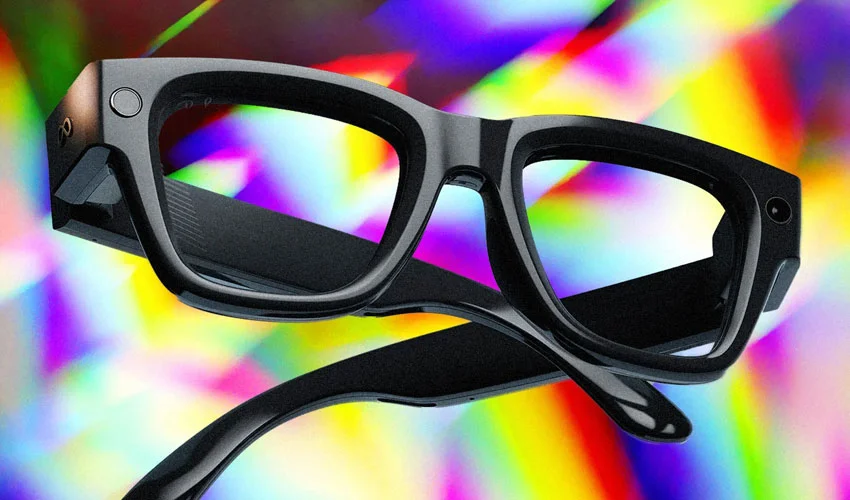
Meta has postponed the launch of its upcoming mixed reality glasses, code-named Phoenix, moving the release window from late 2026 to the first half of 2027. The revised timeline reflects a broader shift in strategy within the company’s hardware division, as leadership prioritises stability, performance and long-term sustainability over rapid releases.
Business Insider reported that the delay was communicated to employees through internal memos from senior executives. Maher Saba, Vice President of Reality Labs Foundation, told staff that engineering teams need additional time to refine the product and ensure that it meets expectations set by Meta’s leadership, including CEO Mark Zuckerberg.
According to Saba, the revised plan is not designed to expand scope or add features. Instead, the delay intends to give hardware and software teams “breathing room” so they can focus on delivering a polished first-generation device without the pressure of compressed schedules.
A separate memo from metaverse leaders Gabriel Aul and Ryan Cairns reinforced this direction. They stated that the development cycle has been intensive, and the extended timeline is necessary to “get the details right” as Meta attempts to re-shape its user experience in mixed reality.
Prototypes of Phoenix have been described as having a goggle-like appearance, drawing visual comparisons to Apple’s Vision Pro. The glasses reportedly connect to a small power puck, a design choice that generated internal debate but was retained to reduce heat, lighten the device and improve comfort during prolonged use. Earlier reporting by The Information also pointed to this design direction, suggesting consistency in Meta’s long-term hardware strategy.
The delay forms part of a wider realignment across Reality Labs following leadership consultations with Zuckerberg. Meta is re-evaluating schedules, budgets and priorities to ensure product development aligns with economic and user-experience goals. The company has signalled that sustainability and high-quality execution are now central pillars of its hardware approach.
Alongside the Phoenix delay, Meta intends to introduce a limited-edition wearable in 2026, code-named Malibu 2. The product is expected to serve as a bridge between current offerings and the next wave of mixed reality technologies.
Meanwhile, early work has begun on Meta’s next-generation Quest headset, which is described as an immersive gaming solution offering significant capability upgrades. Aul and Cairns noted that the device will aim to improve performance while also delivering better unit economics, signalling cost improvements for a platform that has historically been expensive to scale.
These strategic shifts come as Meta considers budget reductions of up to 30 percent within Reality Labs. The cuts could affect teams working on metaverse environments, including Horizon Worlds, as the company attempts to align expenses with long-term commercial goals.
Meta has also accelerated its artificial intelligence ambitions. The company recently acquired Limitless, a startup known for AI-enabled wearable pendants, indicating a growing emphasis on integrating AI functionality into future personal devices.
The Phoenix delay highlights Meta’s desire to avoid rushed rollouts and focus on delivering premium, stable experiences in an increasingly competitive mixed reality landscape.