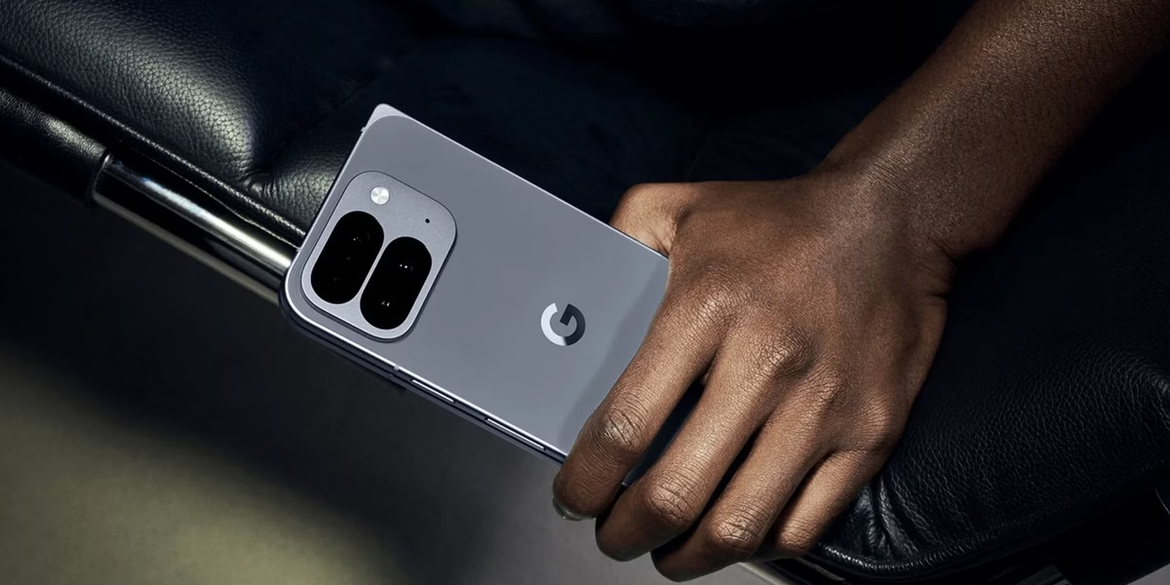
Google’s Pixel 11 Pro Fold has undergone a durability test by JerryRigEverything, revealing that the company’s latest foldable smartphone continues to have a structural weakness similar to the one found in its previous three foldable models.
The $1,899 foldable was subjected to a series of demanding tests by Zack Nelson, including scratches, heat, dust exposure and bending. The testing was designed to examine how the device responds to different forms of physical stress.
The Pixel 11 Pro Fold reportedly showed improvements in some areas compared with earlier generations. However, the test ultimately highlighted a familiar concern when the device was subjected to significant bending and structural pressure.
According to the test, the phone broke at the same general structural weak point that has appeared in Google’s previous three foldable smartphones. The repeated failure point raises questions about whether the company has fully addressed the structural challenges associated with its foldable design.
Foldable smartphones face different durability challenges from traditional smartphones because their displays, hinges and internal structures must accommodate repeated folding. Manufacturers therefore have to balance flexibility with enough rigidity to protect the device from accidental stress.
The durability test puts particular attention on the areas where a foldable phone can be most vulnerable. While normal everyday use does not necessarily replicate the extreme conditions of a teardown or bend test, such testing can reveal weaknesses in a device’s construction.
Zack Nelson’s testing also included a scratch examination, which is commonly used to assess the resistance of a smartphone’s exterior and display materials. Foldable phones can have additional considerations because flexible inner screens use different materials from conventional glass smartphone displays.
The flame test further subjected the display to concentrated heat, while the dust test examined how the device responds when fine particles are introduced into its construction. These tests are not typical everyday scenarios, but they can provide insight into the engineering choices made by smartphone manufacturers.
The most notable result, however, was the structural failure during the bending stage. The fact that a similar weak point has reportedly appeared across several generations could attract attention from consumers considering Google’s latest foldable.
At $1,899, the Pixel 11 Pro Fold occupies the premium segment of the smartphone market. Buyers spending that amount may expect significant improvements in durability and structural design with each new generation.
The test does not necessarily mean that the Pixel 11 Pro Fold is likely to fail during normal use. Durability tests intentionally place devices under extreme physical conditions that most users would never subject their phones to.
However, repeated structural failures under controlled stress can still provide useful information for consumers. It may encourage potential buyers to pay closer attention to the phone’s hinge, frame construction and overall handling requirements.
Google’s continued development of foldable smartphones demonstrates the technical challenges involved in creating devices that combine a large flexible display with a compact folding form factor.
The Pixel 11 Pro Fold may offer improvements in other areas, but the durability test suggests that the company still has work to do at a particular structural point.
For consumers comparing premium foldable phones, durability remains an important consideration alongside camera performance, battery life, software features and display quality.