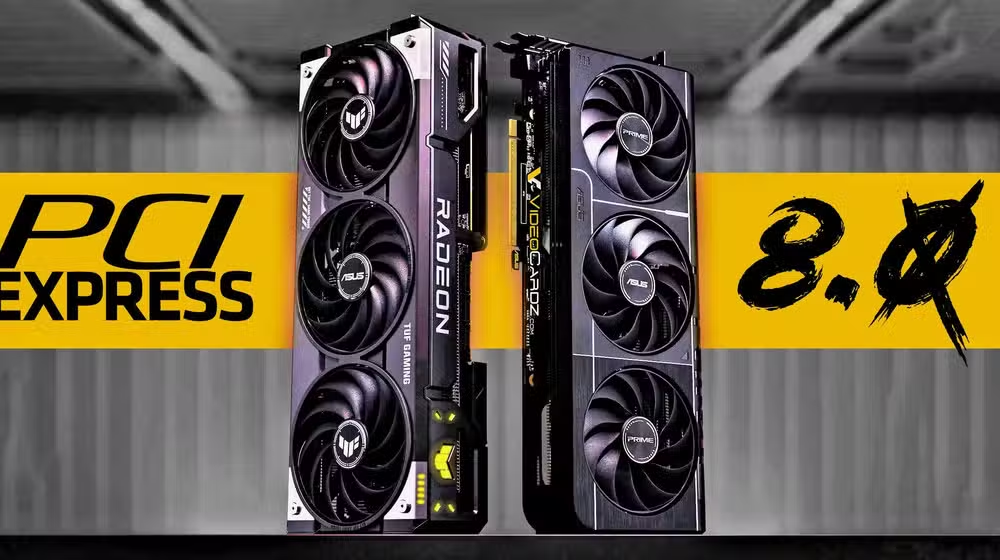
The PCI-SIG has officially announced the upcoming PCIe 8.0 specification, marking a major leap forward in data transfer speeds for modern computing systems. Designed to meet the rapidly increasing demands of emerging technologies, this next-generation standard is expected to redefine performance benchmarks across multiple industries.
PCIe 8.0 introduces a significant upgrade in throughput, targeting 256.0 gigatransfers per second per lane. In a full x16 configuration, this translates to an impressive bidirectional bandwidth of up to 1 terabyte per second. This advancement positions PCI Express as a critical backbone for future innovations in computing infrastructure.
The new standard is being developed with high-growth sectors in mind, including artificial intelligence, high-performance computing, hyperscale data centers, and advanced networking. As workloads in these areas continue to expand, faster and more efficient data movement becomes essential to maintain performance and scalability.
One of the key strengths of PCIe 8.0 is its commitment to backward compatibility. Systems using older PCIe versions will continue to function seamlessly with newer hardware, ensuring a smooth transition for manufacturers and users alike. This approach helps protect existing investments while enabling gradual adoption of cutting-edge technology.
The introduction of PCIe 8.0 also reflects the broader industry trend toward data-intensive applications. From training large AI models to powering real-time analytics and cloud computing platforms, the need for ultra-fast interconnects is more critical than ever.
As the PCI Express roadmap extends into the next decade, this new standard is expected to play a central role in shaping the future of computing. With unprecedented bandwidth capabilities, PCIe 8.0 will not only enhance current systems but also unlock new possibilities for innovation across the digital landscape.