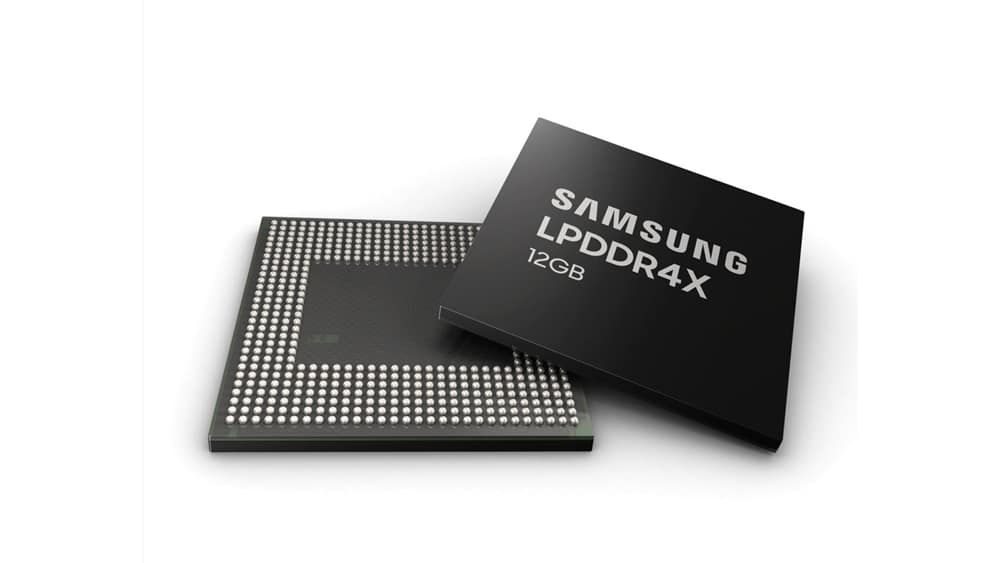
Samsung Electronics is reportedly taking final orders for its LPDDR4 and LPDDR4X memory chips as it prepares to gradually wind down production of older-generation DRAM. The move is part of a broader industry transition toward more advanced and energy-efficient memory technologies.
According to market sources familiar with the DRAM sector, the company is shifting its manufacturing focus toward LPDDR5 and newer memory standards. These next-generation chips offer higher speeds, improved power efficiency, and better performance for modern computing and mobile devices.
The decision reflects changing demand patterns across the global electronics industry. Smartphone makers, laptop manufacturers, and AI-focused hardware developers are increasingly adopting newer memory technologies to support higher processing workloads and energy optimization.
Samsung Electronics has long been one of the dominant players in the global memory chip market. Its transition away from LPDDR4 aligns with the natural lifecycle of semiconductor products, where older generations are phased out as newer, more capable versions gain traction.
Industry analysts note that LPDDR5 adoption is accelerating due to its importance in supporting artificial intelligence applications, high-performance mobile computing, and next-generation devices. This shift is also being driven by increasing demand for faster data processing in both consumer and enterprise markets.
Winding down production of older memory types allows manufacturers to optimize production capacity and allocate resources toward more profitable and technologically advanced segments. For Samsung Electronics, this strategic realignment is expected to strengthen its position in the premium memory market.
The DRAM industry is currently undergoing a transition phase, where legacy technologies like LPDDR4 are being replaced by newer standards to meet evolving performance requirements. This evolution is expected to continue as AI-driven computing and high-end mobile devices become more widespread.
As the shift progresses, supply chains and device manufacturers are likely to adjust their designs to align with next-generation memory standards, further accelerating the adoption of LPDDR5 and beyond.