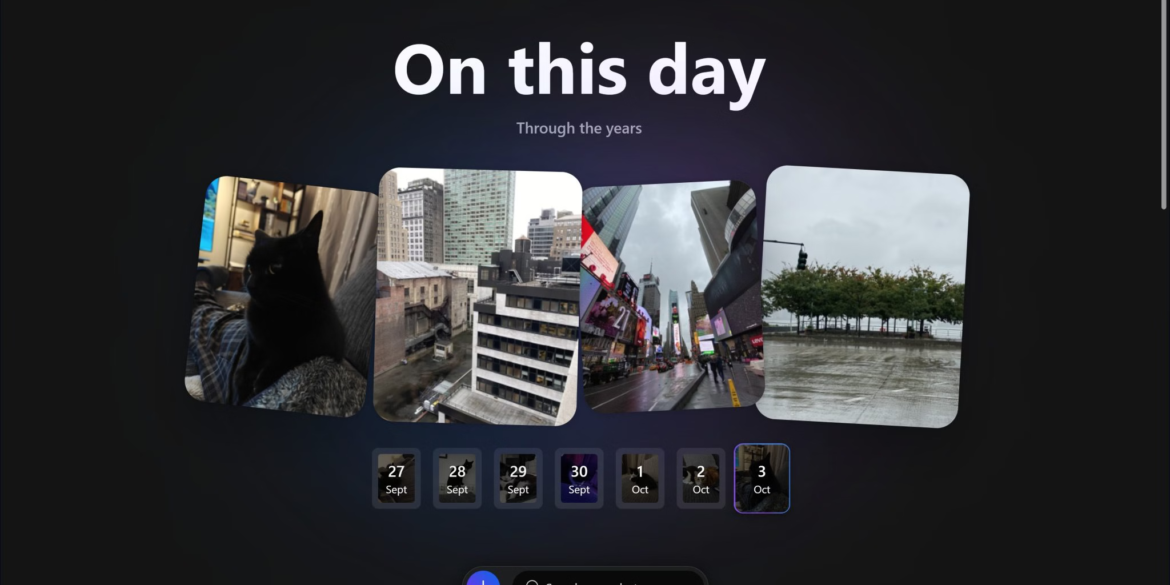
Microsoft has confirmed that a new AI-powered OneDrive Photos application was accidentally distributed to more Windows 11 computers than originally intended.
The company said the beta application was rolled out beyond the specific Windows systems it was designed to target, resulting in the app appearing on PCs that were not supposed to receive it.
The issue has attracted particular attention among enterprise users, as the OneDrive Photos application is not intended for use on business computers in the same way as the main OneDrive service.
Microsoft acknowledged the distribution problem and said it is working on a fix. The company also plans to introduce an option that will allow users to remove OneDrive Photos without having to uninstall the primary OneDrive application.
The incident has raised concerns among Windows users about how applications can be distributed through operating system updates and related Microsoft services.
OneDrive Photos is a newer application focused on photo-related functionality and uses artificial intelligence as part of its features. Because the app remains in beta, its wider-than-intended distribution has created additional concerns for users who did not expect to receive experimental software.
For enterprise environments, unexpected applications can be particularly problematic. Businesses often maintain carefully controlled software environments to meet security, compatibility and administrative requirements.
An application that arrives without being intentionally deployed by an organization can create additional work for IT administrators. Companies may need to determine which systems received the software and whether it should be removed.
Microsoft’s confirmation suggests that the company recognizes the issue and is taking steps to correct the unintended rollout.
The planned removal option could also provide a more convenient solution for users. Currently, the company says there is no simple way to remove the new OneDrive Photos application separately from the main OneDrive software.
The situation highlights the challenges technology companies face when distributing software to large numbers of Windows devices. Even a limited rollout can reach a significant number of computers when automated distribution systems are involved.
It also demonstrates why beta applications require careful testing and controlled deployment. Software that is still under development may not be suitable for every type of device or user.
Windows 11 users who notice the OneDrive Photos application on their computers may therefore want to monitor Microsoft’s updates for information about the fix and the upcoming removal option.
Enterprise administrators, in particular, may need to keep track of the issue if the application has appeared on company-managed devices.
Microsoft has not indicated that users need to remove the main OneDrive application to address the issue. Instead, the company says it plans to provide a separate method for removing OneDrive Photos.
The incident is another reminder that Windows users can sometimes receive software through automated updates and service integrations without manually downloading the application themselves.
As Microsoft continues expanding its use of artificial intelligence across Windows and its cloud services, managing the distribution of new AI-powered applications will remain an important consideration.
For now, Microsoft is working on a solution that should give affected users greater control over the unwanted OneDrive Photos installation.