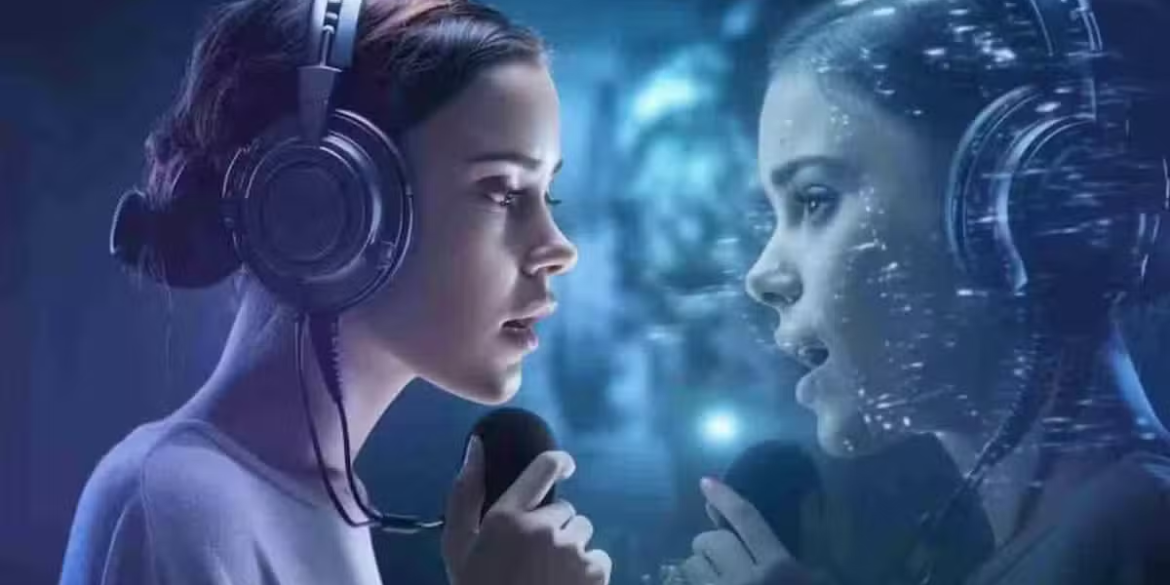
The Punjab government has drafted a new legislative framework aimed at regulating artificial intelligence-generated content and protecting the digital identities of performers and artists from unauthorized use.
The proposed Punjab Performers’ Digital Identity and Artificial Intelligence (AI) Protection Act 2026 seeks to safeguard voices, facial images, likenesses, and other personal digital identifiers from misuse through AI technologies such as deepfakes and voice cloning.
Under the draft law, a performer’s voice and visual identity would be recognized as protected intellectual property. Any unauthorized reproduction or manipulation of these identifiers using artificial intelligence systems would be considered illegal, marking a significant step toward regulating emerging digital threats.
The legislation specifically targets the misuse of AI tools for creating fake endorsements, fabricated political messages, manipulated videos, and digital replicas of artists without consent. Authorities aim to curb the growing risks associated with synthetic media, which has become increasingly difficult to distinguish from authentic content.
Legal experts note that the rapid advancement of generative AI has raised global concerns regarding identity theft, misinformation, and reputational harm. Deepfake technology, in particular, has made it possible to realistically replicate individuals’ voices and appearances, often without their knowledge or approval.
Punjab’s proposed law is designed to address these challenges by establishing legal ownership of digital identity elements and providing performers with clear rights over how their likeness is used in digital environments. If enacted, it would also introduce penalties including fines and potential imprisonment for violations.
The move reflects a broader international trend as governments around the world begin to introduce regulations governing artificial intelligence and synthetic media. Many countries are exploring frameworks to balance innovation with protection against misuse of AI-generated content.
In Pakistan, the proposed legislation is expected to be particularly relevant for artists, media professionals, and public figures who are more vulnerable to impersonation and digital manipulation. Industry stakeholders have long called for stronger safeguards to protect creative rights in the digital age.
The draft act also highlights growing concerns over the misuse of AI in political messaging and online misinformation campaigns. By criminalizing unauthorized digital replication, the government aims to reduce the risk of fabricated content being used to mislead the public or damage reputations.
Officials say the proposed framework is still in the drafting stage and will undergo further review and consultation before being presented for legislative approval. Input from legal experts, technology stakeholders, and creative industry representatives is expected to shape the final version of the law.
If passed, the Punjab Performers’ Digital Identity and AI Protection Act 2026 would position the province among early adopters of AI-specific legal protections in the region, establishing a regulatory foundation for responsible use of synthetic media technologies.
The initiative underscores the increasing urgency for legal systems to adapt to rapidly evolving artificial intelligence capabilities, ensuring that technological progress does not come at the cost of personal rights, identity protection, and digital integrity.