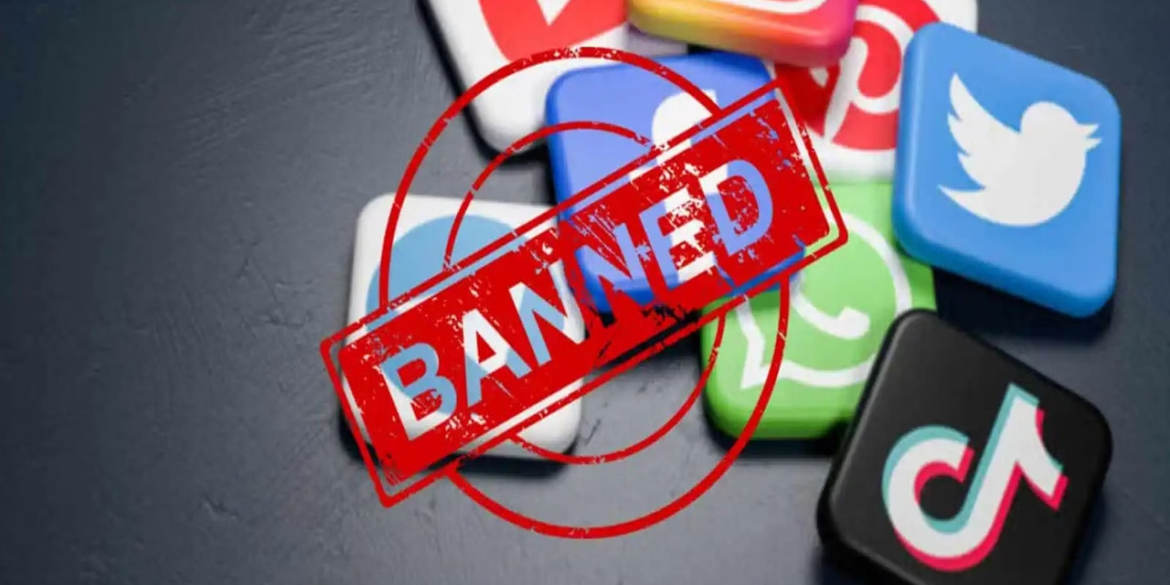
Malaysia has introduced strict new regulations that prevent children under the age of 16 from creating accounts on major social media platforms. The move is part of the country’s broader effort to enhance online safety and shield young users from potentially harmful digital content.
The policy places Malaysia among a growing number of countries taking stronger action to regulate children’s access to social media. Governments worldwide are increasingly examining the impact of digital platforms on young people’s mental health, privacy, online behavior, and overall well-being.
Under the new framework, social media companies operating in Malaysia are required to verify the age of users before allowing them to register for accounts. The rules came into effect this week and apply to major platforms that have been licensed to operate within the country.
Popular services such as Facebook, Instagram, TikTok, and YouTube are now expected to implement age verification measures that check user information against government-issued records. The objective is to ensure that only individuals aged 16 years and older can independently create and maintain social media accounts.
Authorities believe the new requirements will help reduce children’s exposure to inappropriate content, online exploitation, cyberbullying, misinformation, and other digital risks that have become increasingly prevalent in today’s connected world.
The growing influence of social media on young users has become a major concern for policymakers globally. Numerous studies and public debates have highlighted potential links between excessive social media use and issues such as anxiety, depression, sleep disruption, and reduced attention spans among children and teenagers.
Supporters of the policy argue that stronger age restrictions can provide an additional layer of protection by limiting access to platforms where harmful content and online interactions may occur. They also believe age verification systems can help technology companies better enforce existing safety standards and community guidelines.
The introduction of age verification requirements also places greater responsibility on social media companies to ensure compliance with local regulations. Platforms will need to invest in systems capable of accurately verifying user ages while maintaining data security and protecting personal information.
Malaysia’s decision reflects a broader international trend toward stricter digital safety regulations. Several countries have proposed or implemented measures aimed at increasing parental controls, strengthening online protections for minors, and holding technology companies more accountable for the content available on their platforms.
The debate surrounding youth access to social media continues to evolve as governments seek to balance online opportunities with safety concerns. While digital platforms offer educational resources, communication tools, and entertainment opportunities, regulators are increasingly focused on minimizing potential risks for younger users.
Industry experts note that effective enforcement will be a critical factor in determining the success of the new policy. Age verification systems must be reliable enough to prevent circumvention while remaining practical for users and platform operators.
Parents, educators, and child safety advocates have generally welcomed efforts to improve online protections for minors. Many believe stronger safeguards are necessary as children spend more time interacting with digital technologies from an increasingly young age.
By implementing age verification requirements and restricting social media access for users under 16, Malaysia is taking a significant step toward creating a safer online environment. The policy highlights the country’s commitment to protecting young internet users while contributing to the global conversation about responsible social media regulation.