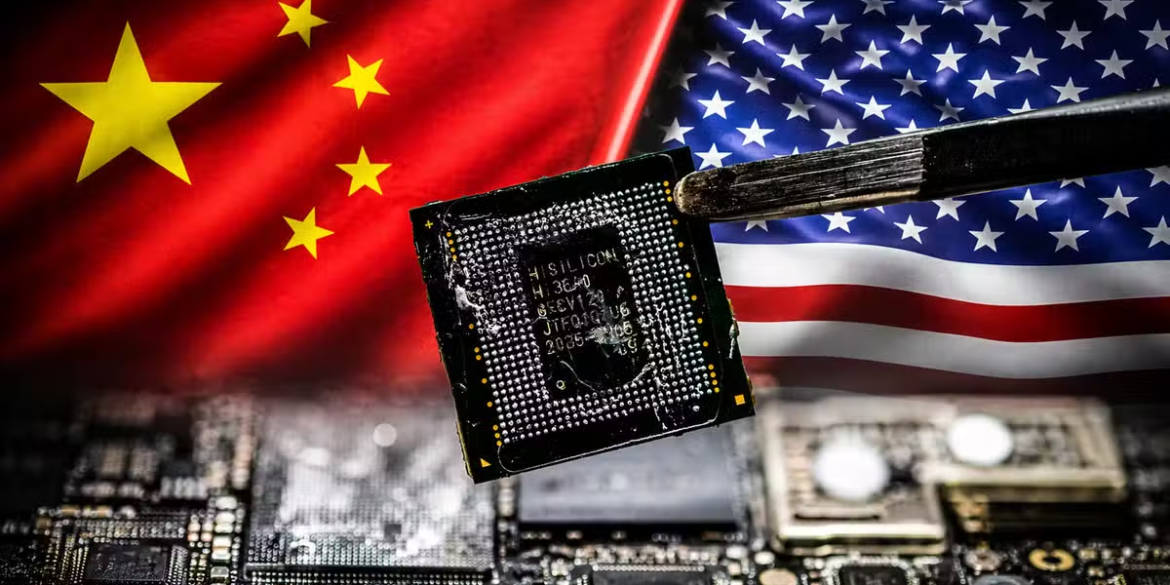
The United States is moving toward tighter oversight of advanced semiconductor exports, as six companies specializing in tracking international technology shipments have expressed support for a proposed law aimed at preventing high-end AI chips from being diverted to China and other restricted destinations.
The legislation, known as the Chip Security Act, seeks to strengthen export-control mechanisms by introducing enhanced tracking and verification systems for the most powerful artificial intelligence chips produced in the US. The initiative comes amid growing concerns in Washington over the potential misuse or unauthorized re-export of sensitive semiconductor technologies through intermediary countries.
According to reports cited by international media outlets, including NBC News, the six tracking firms conveyed their support for the proposed bill in a letter addressed to congressional leaders. These companies argue that stricter monitoring of chip movements would help close existing gaps in the export-control framework and ensure that advanced computing technologies remain within approved supply chains.
The proposed system would focus on identifying and preventing the diversion of high-performance chips that are critical for artificial intelligence development, data centers, and advanced computing infrastructure. US policymakers have increasingly emphasized the strategic importance of semiconductor security, particularly as global competition in AI technology intensifies.
Supporters of the Chip Security Act believe that improved tracking measures could strengthen national security while also reinforcing the competitiveness of American semiconductor manufacturers in regulated global markets. They argue that better visibility into supply chains would reduce the risk of sensitive technology being rerouted through third-party countries.
However, the proposal has also sparked debate within the technology and semiconductor industries. Some lobbying groups and industry stakeholders caution that overly strict compliance requirements could slow down supply chains, increase operational costs, and place additional burdens on chipmakers already operating in a highly competitive global environment.
The United States has already implemented several rounds of export restrictions targeting advanced semiconductor technologies, particularly those linked to artificial intelligence and high-performance computing. The new legislation represents a further step toward tightening oversight and enhancing enforcement mechanisms across international trade routes.
As global demand for AI chips continues to surge, the issue of supply chain security has become a central point of discussion among policymakers, manufacturers, and technology firms. The outcome of the proposed Chip Security Act could have significant implications for the future of global semiconductor trade and the ongoing technological competition between major economies.
For now, the bill remains under consideration in Congress, with industry feedback and legislative negotiations expected to shape its final form in the coming months.